Production Line Systems & Equipment
Composites & Upholstery Production Lines
Assyst Bullmer can deliver bespoke solutions for textile production lines, utilising advanced equipment for the manufacture of composites and upholstery, including multi-ply cutting and single-ply cutting, manufacturing and production.
- Can be tailored to suit a range of industries
- Improved speed, accuracy and efficiency
- Create bespoke production lines
About Production Lines
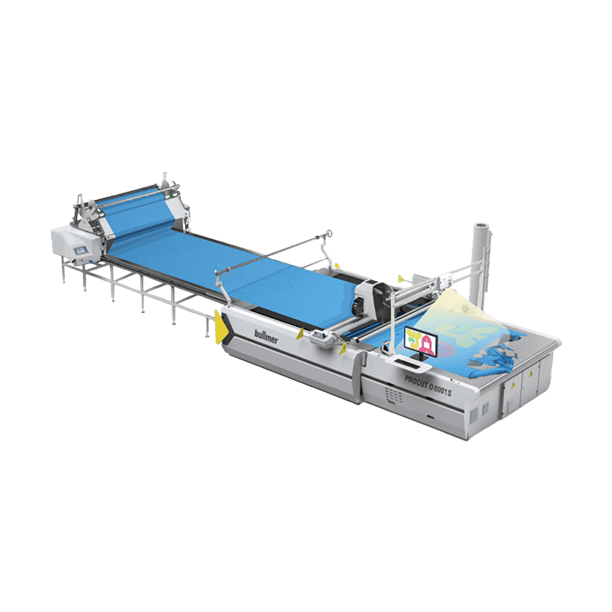
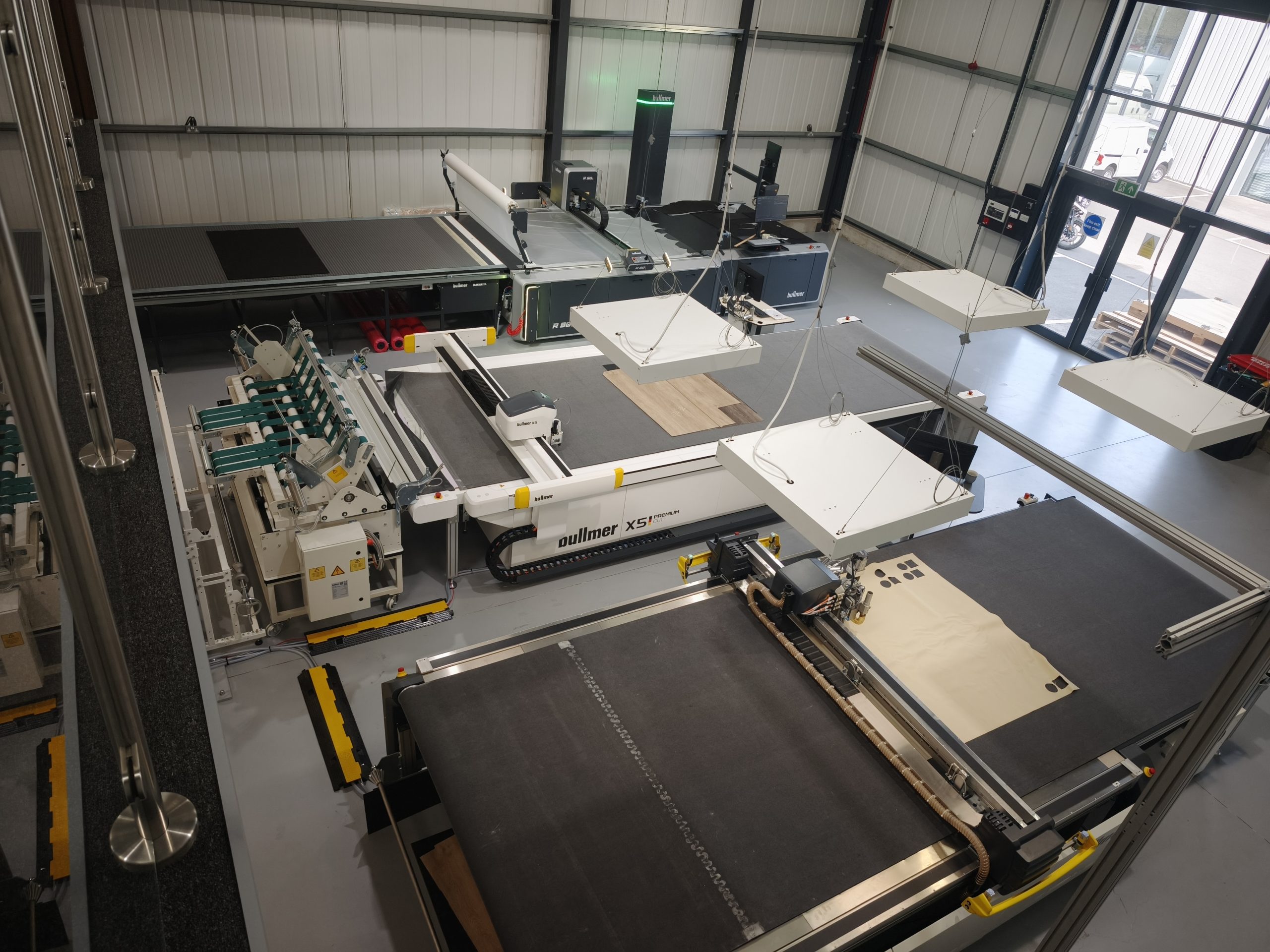
We offer a range of production line options to suit a selection of industries, with everything from spreading machines and material loaders through to cutting tools. Advanced technology and state-of-the-art equipment are used to optimise textile production lines, enhancing productivity and quality.
Depending on your cutting needs, we can supply a variety of single-ply and multi-ply cutting machines, the Premiumcut ELC or Turbocut and Procut respectively, each designed to deliver exceptional speed and accuracy, crucial for modern manufacturing processes. Automation and standardisation of textile production processes are essential practices for increasing performance.
We can help you piece together a completely bespoke production line to suit the ins and outs of your industry, whether it’s upholstery, composites, fashion or technical textile manufacturing.
Data analysis and digitalisation allow many traditional production processes to be optimised and made more transparent, helping to identify bottlenecks and predict failures for continuous improvement. Factory layout optimisation and investment in machines aligned with the Industry 4.0 concept directly influence the performance and efficiency of textile production. Qualification and training of staff are essential to maximise the benefits of technological resources. The textiles produced benefit from these various processes and technological advancements.
Raw Materials and Sourcing
The foundation of any successful textile production line lies in the careful selection and sourcing of raw materials. Textile manufacturing begins with choosing between natural fibres such as cotton, wool, and silk and synthetic fibres like polyester and nylon. Each type of fibre brings unique qualities to the finished product, influencing everything from durability and softness to breathability and care requirements.
For example, cotton remains a staple for clothing manufacturers due to its natural comfort, strength, and versatility, making it ideal for T-shirts and home textiles. Wool is prized for its warmth and resilience, while silk offers unmatched softness and sheen for luxury applications. On the other hand, synthetic fibres like polyester are essential in technical textiles and protective clothing, valued for their high performance, resistance to wrinkles, and ease of maintenance.
The choice of raw materials is driven by specific production needs and the desired properties of the final textile, whether that is the durability required for upholstery, the technical specifications for protective textiles, or the comfort demanded by everyday apparel. Sourcing high-quality fibres is a critical step in the production process, directly impacting the quality, cost, and sustainability of the finished product.
Key Components of Our Production Lines
Spreading Machines: Adaptable, fast and precise fabric spreading equipment essential for efficient textile production lines.
Material Loaders: Intelligent, automated loaders, key equipment for handling a range of material types in textile manufacturing.
Tables and Conveyor Systems: Completely customisable tables and conveyor systems to suit your workflow. Proper packaging of all machinery components is crucial to ensure safe delivery and compliance during shipping.
Advanced Machinery & Cutting Machines at the Core
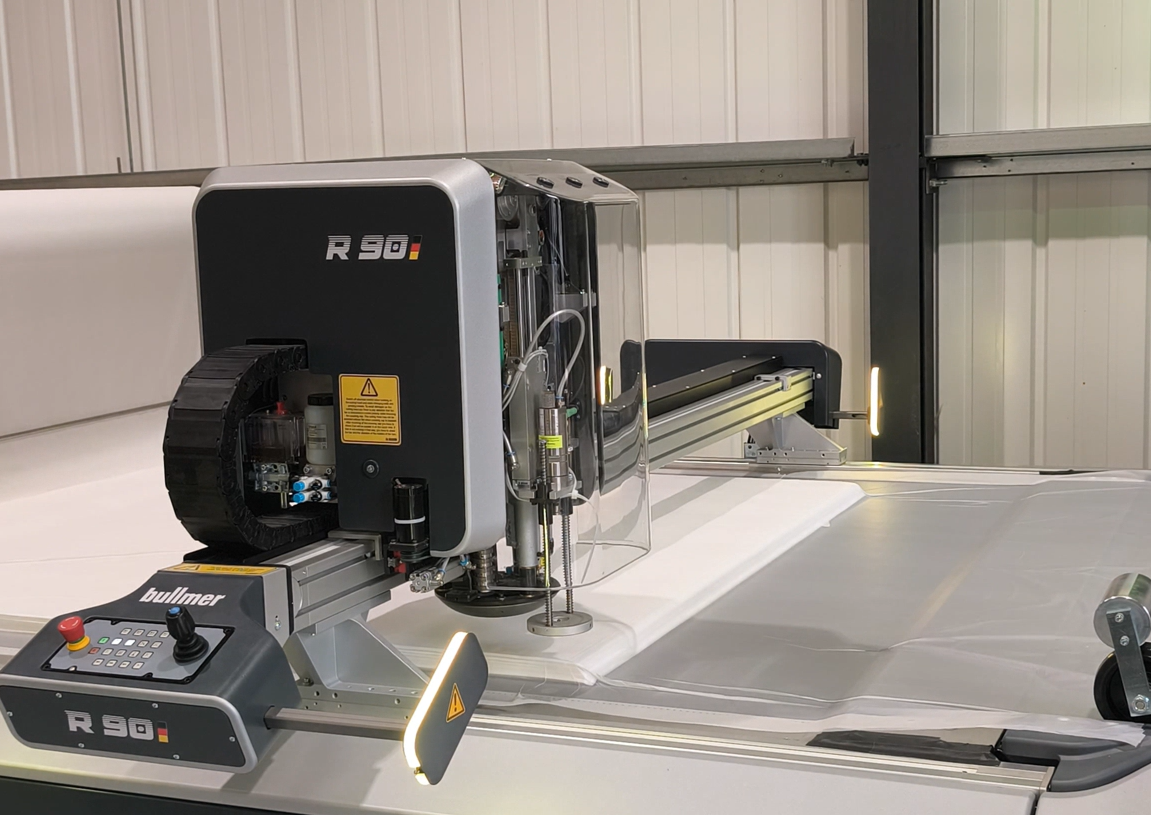
Single Ply Cutting Machine: Our Premiumcut ELC single ply cutting machine delivers cutting speeds of up to 120 m/min and can handle a range of materials. High-speed automated methods like ring spinning are also used in modern spinning processes to enhance yarn quality and efficiency. Regular maintenance of textile production machines ensures their longevity and optimal performance, while their efficiency minimises waste and energy consumption, supporting sustainable practices.
Multi-Ply Cutting Machines: For multi-ply cutting, we offer both the Procut and the Turbocut, each capable of providing drastic improvements in efficiency and accuracy.
Quality Control and Assurance
Ensuring consistent quality is essential throughout every stage of the textile production process. Quality control and assurance measures are implemented from the initial inspection of raw materials to the final evaluation of the finished product.
Advanced machinery and automated processes play a significant role in modern quality control. Sensors and precision systems can detect irregularities during production, allowing immediate adjustments and reducing the risk of defects.
By integrating quality checks at multiple stages, manufacturers can increase production capacity, reduce downtime, and maintain high standards across diverse applications such as technical fabrics, medical textiles, and protective clothing.
Applications Across Industries
We can build custom production lines to suit a range of industries, including:
Upholstery: Precise cutting and minimal waste with our high-efficiency upholstery production lines.
Composites: Spread, handle and cut a huge range of materials using our bespoke production lines.
Fashion: Reduce waste, improve accuracy and grow profit margins while delivering better quality for consumers. Our textile production lines support a variety of printing techniques including screen, transfer, sublimation, and digital printing, enabling the application of patterns, colours, and graphics to textiles.
Technical Textiles: Technical textiles are at the core of industries such as automotive, aerospace, architecture, and healthcare, and are designed to meet demanding standards for safety and durability. The manufacture of technical textiles involves advanced machinery that supports processes like coating, laminating, and embossing.
Nonwoven Fabrics
Nonwoven fabrics are produced using technologies that bond fibres together through mechanical, thermal, or chemical methods, and are widely used in industries such as medical, automotive, and construction.
Clothing Production Lines
Clothing production lines are specialised equipment designed for the manufacture of nonwoven fabrics. There are several machine types available, including spunbond, meltblown, and needle punch machines. Advanced control systems and automation features allow for precise monitoring, adjustment, and enhanced production efficiency.
Sustainability and Environmental Impact
The textile industry faces increasing scrutiny over its environmental impact, with traditional production processes often generating waste, consuming large amounts of energy and water, and contributing to pollution.
The adoption of sustainable practices and advanced technologies is helping reduce waste, improve efficiency, and minimise environmental impact. Many manufacturers now use recycled raw materials, water recycling systems, and more efficient machinery.
By integrating sustainable practices into every stage of the production process, manufacturers can meet growing demand for eco-friendly products while improving long-term viability.